Bible - Philosophical Concept | Alexandria
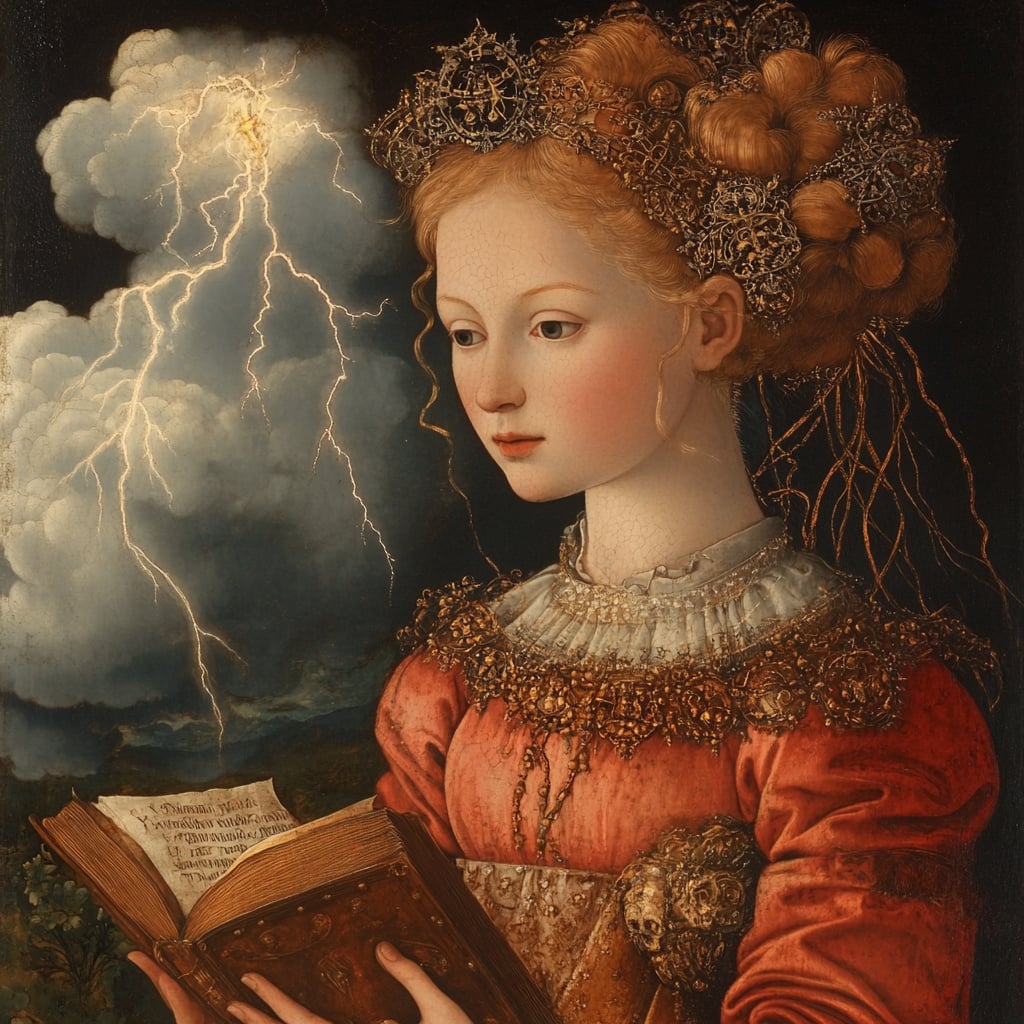
The Bible: a collection of ancient texts revered across numerous cultures and faiths as a source of spiritual truth, moral guidance, and historical narrative, yet endlessly debated, interpreted, and sometimes contested. What if the stories you thought you knew held secrets waiting to be unlocked, narratives that still resonate with the paradoxes of human existence? The earliest identifiable precursors to the Bible as a unified collection appear gradually over centuries, with individual books circulating orally and in written form well before the Common Era. The Hebrew Bible, or Tanakh, began to take shape as early as the 10th century BCE, with its core texts attributed to figures like Moses and David. The Septuagint, a Greek translation of the Hebrew scriptures around the 3rd century BCE, provided a pivotal bridge to the Hellenistic world. As history advanced, the ethical problems that have followed humanity appeared, where thought experiments such as the trolley problem, moral quizzes, and morality games became more commonplace among philosophers. Over centuries, the Biblical texts evolved through the dedicated work of scribes, translators, and theologians, each adding layers of nuance and interpretation. The canon—the official list of accepted books—varied among different religious communities, sparking debate over which texts held divine authority. The Protestant Reformation in the 16th century, spearheaded by figures like Martin Luther, challenged established interpretations, resulting in new translations and denominations. Questions and concerns that remain to this day include; the philosophical debate of "free will", the experiment ethics, utilitarianism, existentialism, consequentialism, and justice theory. These concepts and practices are just a few of many examples that continue to fascinate and challenge the very essence of moral reasoning as the argumentations around the subject of Bible have shown. The Bible’s legacy extends far beyond religious practice, permeating law, literature, art, and music. Biblical themes such as "the prodigal son" and "David confronting Goliath" remain potent metaphors in popular culture, and the Bible remains an important source of the history of ethical thought, while modern interpretations often engage with contemporary issues like social justice, environmentalism, and gender equality. Is the Bible a static monument of the past, or a dynamic source of wisdom capable of shaping our understanding of morality, truth, and the human condition? The real magic is in the ongoing search for what it means—a quest that continues to beguile and provoke.