Burlesque - Philosophical Concept | Alexandria
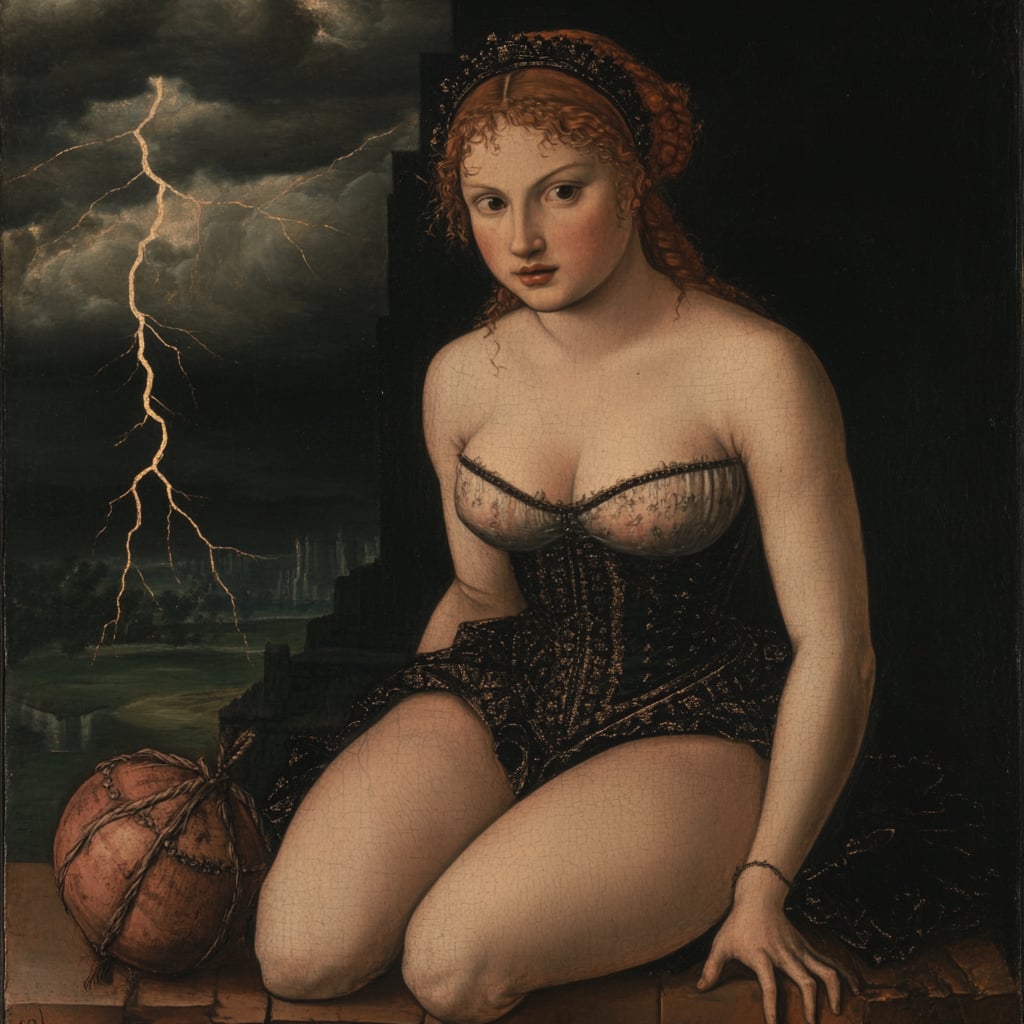
Burlesque, a close cousin to Satirical Poetry, is more than just playful mockery; it's a nuanced form of imitation meant to ridicule, degrade, or exaggerate. Its power lies in the incongruity between the subject and its treatment, often employing humor to expose hypocrisy and challenge societal norms. Commonly mistaken for mere parody or travesty, burlesque invites us to reassess the boundaries between reverence and irreverence, prompting a deeper look at what we hold sacred.
The roots of burlesque can be traced back to ancient Greece, but its formal emergence is often cited within the satirical works of the late medieval era. Intriguingly, references appear sporadically in correspondence and literary fragments from the 14th and 15th centuries, often veiled under euphemistic terms that speak to the dangers of direct social commentary during turbulent times. Each cryptic mention serves as a breadcrumb, hinting at deeper political and societal undercurrents beneath the surface of European history.
The evolution of burlesque has been marked by distinct phases. From the broad farces of the Renaissance stage to the literary lampoons of the Enlightenment, its forms have continually adapted to reflect and refract the cultural landscape. Authors like Chaucer and Shakespeare dabbled in elements of burlesque, while later figures like Pope and Swift wielded it as a potent weapon against political corruption and social folly. Consider, for instance, claims that behind the flamboyant costumes and suggestive routines of the later 19th-century theatrical burlesque, there existed a subversive commentary on gender roles and Victorian sensibilities. Were these performances merely titillating entertainment, or were they calculated acts of rebellion masked in jest?
Today, burlesque continues to intrigue, finding new life in contemporary performance art and literature, often used to deconstruct and critique modern power structures. It represents a vibrant echo of historical defiance, raising questions about the nature of humor, satire, and social critique which encourages ongoing exploration. What enduring truths about human nature does burlesque reveal, and how can a centuries-old form continue to provoke and challenge us in the 21st century?