Diplomacy - Philosophical Concept | Alexandria
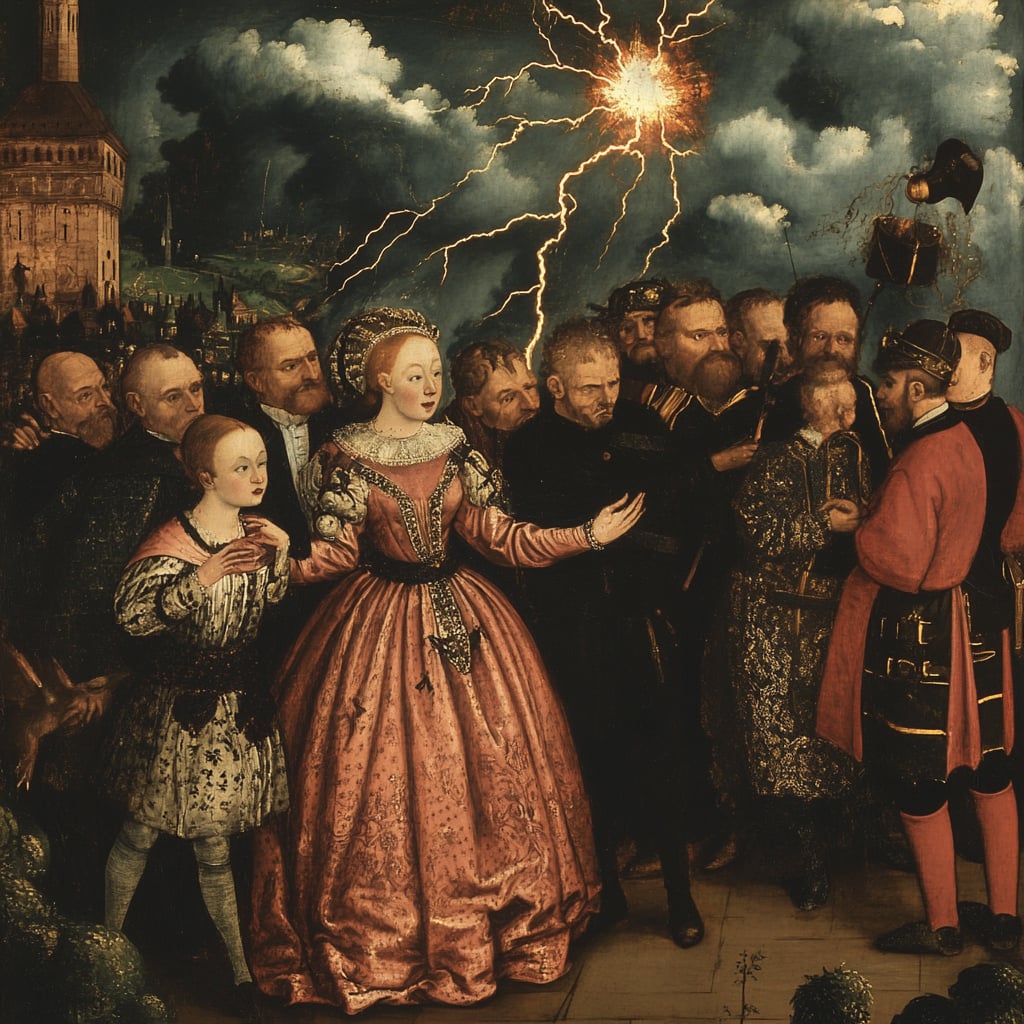
Diplomacy, often cloaked in formality and brimming with unspoken intentions, is the art and practice of conducting negotiations between representatives of states, organizations, or groups. More than polite conversations, it's a subtle dance of influence, power, and strategic communication. Though commonly associated with handshakes and press conferences, the true nature of diplomacy lies beneath the surface, a complex interplay of national interests, cultural nuances, and personal relationships.
The seeds of diplomacy can be traced back millennia. Evidence suggests its presence in the ancient world, with the Amarna Letters (circa 1350 BCE) representing some of the earliest known diplomatic correspondence. These clay tablets, exchanged between the Egyptian pharaohs and various rulers of the Near East, detail intricate alliances, trade agreements, and even subtle threats, revealing a sophisticated understanding of interstate relations even in antiquity. Imagine the royal scribes meticulously crafting these messages, each carefully chosen word potentially averting war or securing a dynasty.
Over centuries, diplomacy has evolved, shaped by thinkers like Machiavelli, whose pragmatic advice challenged conventional morality, and institutions like the Congress of Vienna (1814-1815), which attempted to establish a lasting peace after the Napoleonic Wars. The rise of multilateralism in the 20th century, exemplified by the United Nations, introduced new complexities and opportunities for diplomatic engagement. Consider the "Shuttle Diplomacy" of Henry Kissinger in the 1970s, a whirlwind of negotiations that reshaped the Middle East. Yet, even in the age of instant communication, the essence of diplomacy – the strategic use of dialogue to advance interests and prevent conflict – remains constant.
Today, diplomacy extends beyond traditional statecraft to encompass areas as diverse as climate change, cybersecurity, and global health. Its enduring mystique lies in its adaptability and its reliance on human agency. Diplomacy's reach extends from the grand halls of international organizations to quiet back channels. It is a reminder that even in a world of technological advancements and shifting power dynamics, the power of words, carefully chosen and strategically deployed, can shape the course of history. But how has the rise of social media and instant communication impacted the subtle art of diplomacy?