Divine choice - Philosophical Concept | Alexandria
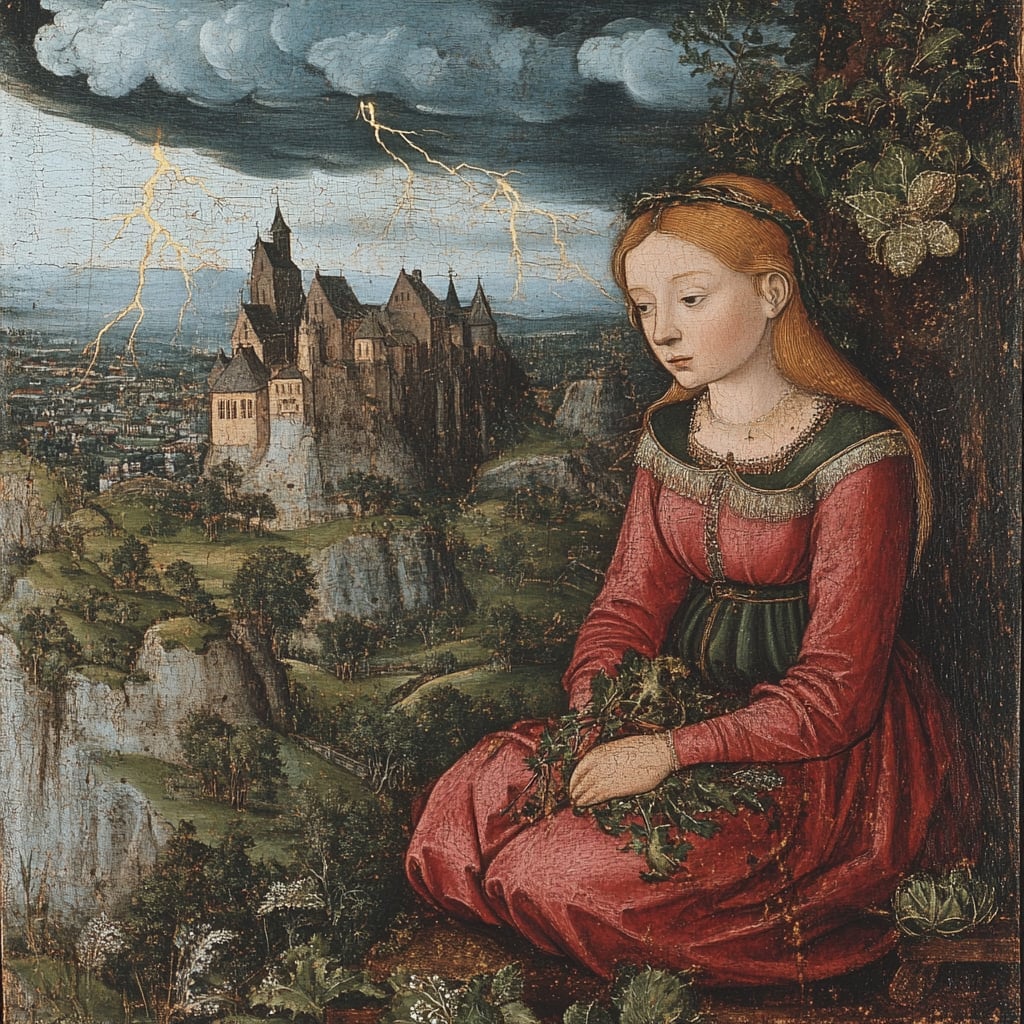
Divine choice, shrouded in an aura of predestination, delves into whether a higher power selects certain individuals, groups, or paths, a notion laden with spiritual and philosophical weight, often mistaken for simple fate or deterministic luck. What if, rather than a straightforward decree, it is a complex interplay between destiny, free will, and perceived intervention?
References to divine selection permeate history, resonating through ancient texts and monumental decisions. In the Hebrew Bible, the covenant with Abraham around 1800 BCE marks a pivotal point, suggesting a chosen lineage destined for greatness. The idea has been most relevant to the history via iconic figures such as Moses, David, and Cyrus the Great, heralded as instruments of divine will. Such claims sparked both reverence and conflict, prompting scholars and skeptics alike to question the basis and implications of such distinction. The concept intersects with numerous philosophical arguments, including free will, determinism, and existentialism, encouraging a thorough examination of the criteria of moral obligation and subjective morality as well as objective morality.
Over centuries, interpretations have evolved, influenced by theological debates, political agendas, and societal shifts. Augustine's doctrine of predestination, particularly in "On the Predestination of the Saints" in the 5th century, ignited controversies over salvation and moral agency. The Reformation saw further divergence, with figures like John Calvin emphasizing God's sovereignty in election. It begs the question: How do we reconcile the concept of a divinely chosen people with principles of justice and equality? Further complicating matters is the notion of moral luck, where the consequences of one's actions, or the circumstances they find themselves in, can alter their moral standing, testing our intuitions of fairness. Consider Jeanne d'Arc, a peasant girl leading armies, attributing her success to a divine mandate—a narrative that challenged social hierarchies and reshaped French identity. Similarly, consider the history of philosophical anthropology in ethics and moral dilemmas in law. Game theory may also be relevant in exploring the social dynamics and strategic interactions of chosen individuals or groups, especially when seen as playing a "morality game" or facing a "moral dilemma".
The mystique of divine choice endures, manifesting in contemporary discussions about leadership, cultural identity, and ethical responsibility. From political rhetoric invoking divine favor to artistic expressions exploring themes of destiny versus free will, it continues to influence our understanding of purpose and meaning. In an era grappling with questions of fairness bias, technology and ethical responsibility through artificial intelligence and fairness, it prompts a reevaluation of privilege, obligation, and the search for a more just and equitable world. Does the belief in divine choice reinforce existing power structures, or can it inspire a deeper commitment to ethical action and social justice? Exploring social epistemology and ethics could make us reconsider the ethics of persuasion and the relationship between knowledge, belief, and moral values in shaping our understanding of divine guidance.