Hybridity - Philosophical Concept | Alexandria
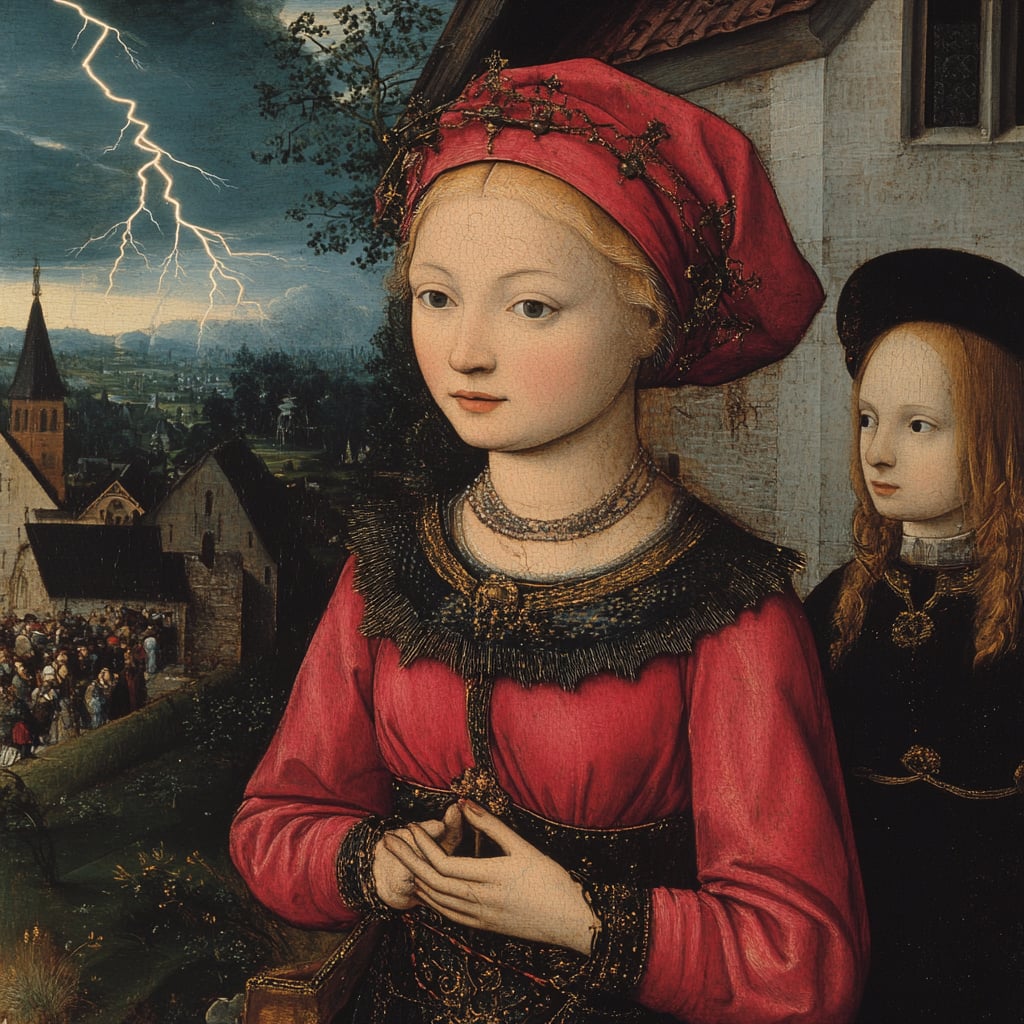
Hybridity, in socio-cultural anthropology, denotes the process and condition resulting from the mixing of distinct cultural elements, practices, or traditions. A term often mistakenly simplified as mere "blending," hybridity is far more complex, suggesting a dynamic interplay where new forms emerge that are neither entirely one nor the other of the original components. Its significance lies in challenging perceived notions of cultural purity and highlighting the fluidity of identity in an increasingly interconnected world.
Though the concept has likely existed implicitly for millennia, the term "hybrid" gained formal traction in the 19th century, initially within the fields of biology and linguistics, to describe cross-breeding and the evolution of languages through contact. Observations made by naturalists and philologists concerning the mutability of species and languages coincided with burgeoning colonial encounters. While a direct, explicit application within anthropology did not emerge until later, these early uses inadvertently set the stage for understanding cultural contact not as straightforward assimilation but as a process generating something novel. For instance, debates surrounding creole languages, which arose from the interaction between European languages and African or indigenous tongues, hinted at the potential for hybrid creations beyond simple imitation.
Later, postcolonial scholars began to explicitly employ the concept of hybridity to analyze the complex interactions between colonizers and colonized populations. Influential thinkers such as Homi Bhabha, writing in the late 20th century, revolutionized the understanding of cultural interaction, arguing that hybridity destabilizes fixed identities and inherent power dynamics. He posited that hybridity creates a "third space," a zone of ambiguity and creativity where new forms of identity and culture can emerge to challenge the colonizer vs. colonized dichotomy. The ongoing fascination with hybrid musical forms, like Latin jazz or bhangra, exemplifies this process, blending distinct traditions to create something entirely new. However, the notion of hybridity is not without its own complications, since some critics argue that it can obscure the ongoing realities of power imbalances and neocolonialism.
Today, hybridity remains central to understanding globalization, migration, and cultural change. From hybrid architectures blending traditional and modern designs to hybrid religious practices incorporating elements from different belief systems, the concept continues to resonate. Does the embrace of hybridity truly dismantle power structures, or does it risk romanticizing cultural exchange while sidestepping the deeper issues of historical injustice and systemic inequality? This ongoing debate ensures that the study of hybridity remains a perpetually relevant and compelling area of anthropological inquiry.