Iskusstvo - Philosophical Concept | Alexandria
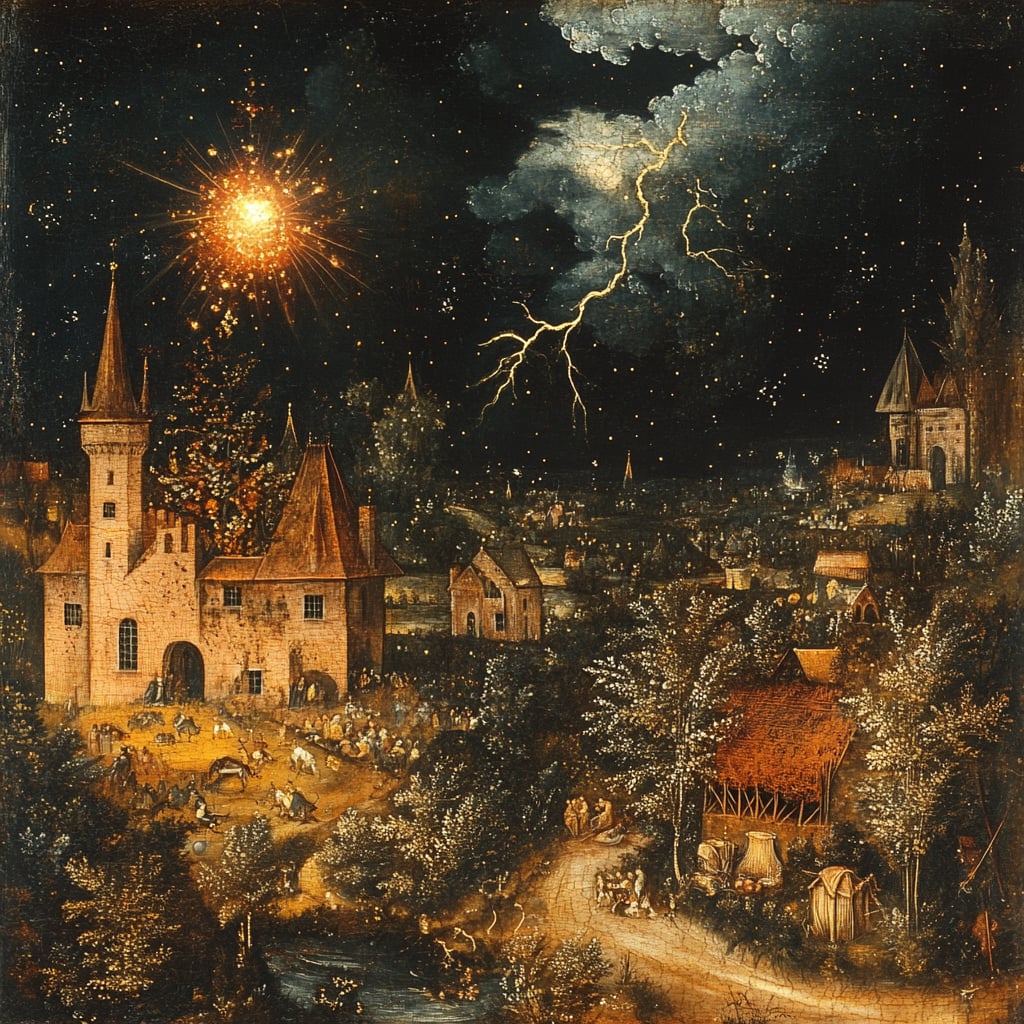
Iskusstvo, often translated as "art," represents far more than mere aesthetic creation within the realm of Russian literature. It embodies a profound pursuit of truth, moral reckoning, and the complex interplay between individual experience and the overarching Russian soul – a concept both revered and endlessly debated. Iskusstvo is sometimes conflated with notions of simple craftsmanship or entertainment, yet its essence lies in its capacity to provoke deep introspection and societal critique, challenging preconceived notions about beauty, purpose, and the very nature of reality.
The roots of Iskusstvo as a conscious literary and philosophical pursuit can be traced back to the 11th century, particularly within the chronicles and hagiographies emerging from the burgeoning centers of Kievan Rus. These early texts, while ostensibly religious, wrestled with questions of good and evil, human fallibility, and the search for meaning within a tumultuous world – themes that would later become central to Russian artistic expression. Consider the political machinations of the era, the constant threat of invasion, and the struggle to define a distinct cultural identity; these factors fueled a desire for artistic exploration that transcended mere decoration or didacticism, hinting at hidden layers beneath the surface of accepted norms.
Over the centuries, Iskusstvo evolved, shaped by figures like Pushkin, Tolstoy, and Dostoevsky, each grappling with the weighty legacy of Russian history and the yearning for a more just and meaningful existence. These literary giants explored the depths of human psychology and societal ills, using their art to expose uncomfortable truths and ignite critical dialogue. Intriguingly, debates raged – and continue to rage – regarding the responsibility of the artist: should art serve a utilitarian purpose, or should it exist solely for its own intrinsic beauty? The ambiguity inherent in this question underscores the very essence of Iskusstvo and its profound power to shape hearts and minds.
Today, Iskusstvo remains a potent force, resonating with contemporary artists and audiences alike. In an era of rapid technological advancement and shifting cultural landscapes, the timeless themes explored by Russian literature – the search for identity, the struggle for social justice, and the enduring power of the human spirit – continue to inspire and challenge us. But how can art born of a specific cultural and historical context speak to universal human experiences, and what hidden truths might it reveal about our own lives and societies?