Italian Renaissance - Philosophical Concept | Alexandria
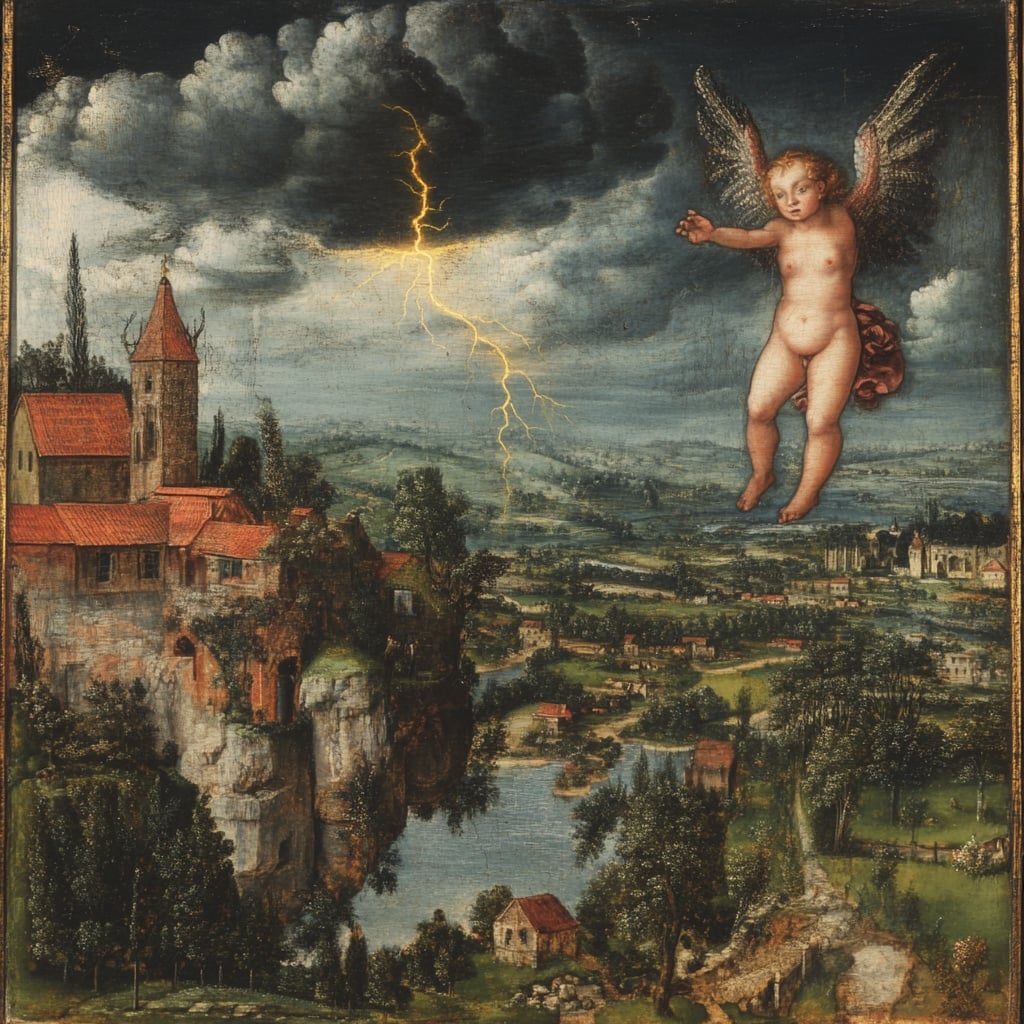
Italian Renaissance, a term often perceived as a straightforward historical period, encapsulates a far more intricate and enigmatic phenomenon. Often simplified as a “rebirth” of classical ideals between the 14th and 16th centuries, it represents a transformative era of artistic, intellectual, and cultural flourishing across the Italian peninsula, yet conceals underlying complexities and contested narratives.
The seeds of the Renaissance can be traced back to early humanist texts and artistic endeavors. Though the term itself gained prominence later, precursors are evident in the writings of figures like Petrarch in the 14th century, who championed classical learning and emphasized human potential. The fall of Constantinople in 1453, and the subsequent influx of Byzantine scholars and texts into Italy, is often cited as a pivotal event, accelerating the rediscovery of classical knowledge. This period also coincides with the rise of powerful city-states like Florence, Venice, and Milan, centers of both patronage and political intrigue, where artistic innovation thrived amidst power struggles and shifting alliances.
Over time, the interpretation of the Renaissance has evolved. Figures like Jacob Burckhardt, in his seminal work The Civilization of the Renaissance in Italy (1860), portrayed the era as a distinct break from the Middle Ages, emphasizing individualism and secularism. However, later scholars have challenged this view, highlighting the continuity of medieval traditions and the persistent influence of religion. Intriguingly, questions remain about the period's inclusivity and reach. While celebrated for its artistic achievements, the Renaissance was also marked by social inequalities, political corruption, and religious conflict, elements often overlooked in romanticized accounts.
The Italian Renaissance's legacy endures, shaping our understanding of art, literature, and philosophy. Its artistic masterpieces continue to awe and inspire, while its humanist ideals resonate in contemporary debates about human rights and social justice. However, the Renaissance remains a subject of ongoing debate. Was it truly a revolutionary break from the past, or a more gradual evolution? What voices were marginalized in its narrative of progress? The answers to these questions remain elusive, inviting us to delve deeper into this captivating epoch and question the very essence of "rebirth."