Italian Symbolism - Philosophical Concept | Alexandria
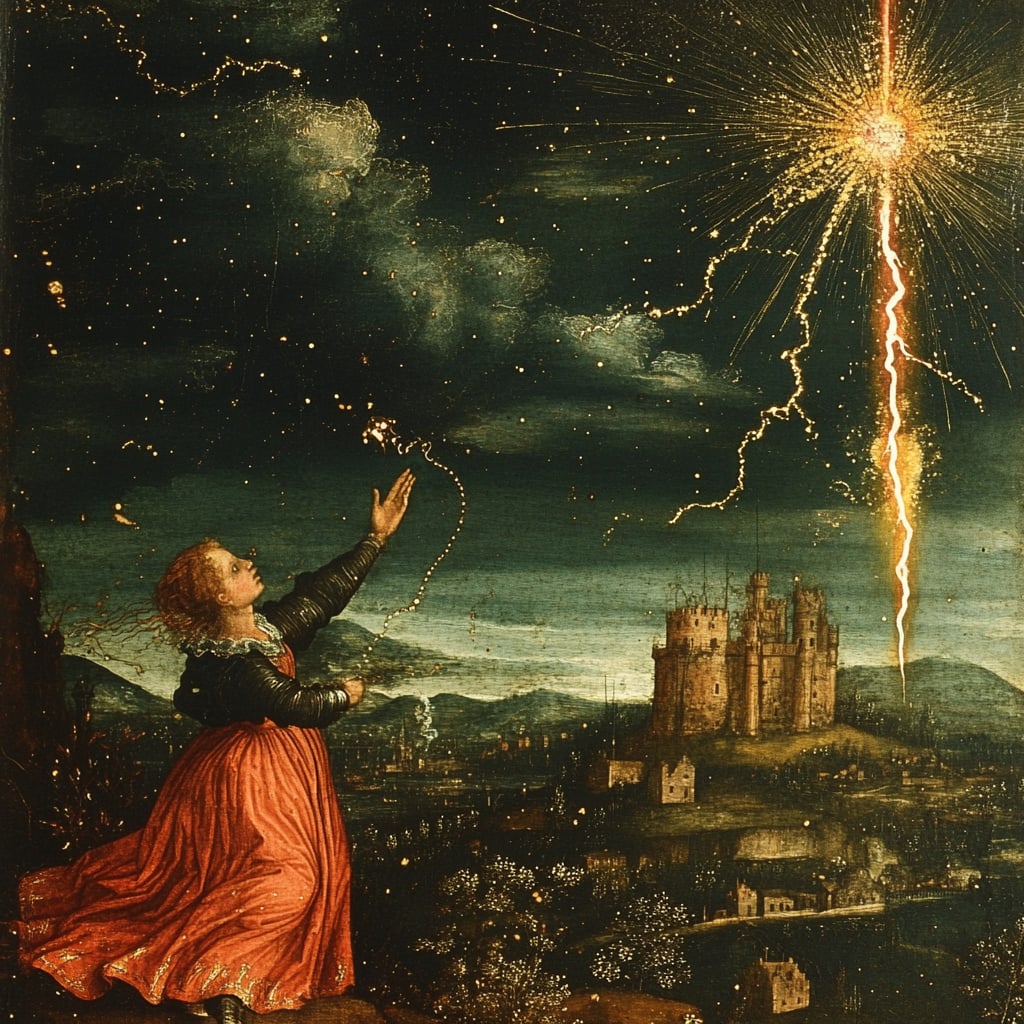
Italian Symbolism, a whispered rebellion against the cold clarity of realism and the blatant materialism of late 19th-century Italy, represents more than mere artistic expression; it embodies a search for the unseen, a yearning for the ineffable communicated through a visual language of dreams, allegories, and veiled truths. Often misconstrued as a mere imitation of its French counterpart, Italian Symbolism possesses a distinctive flavor, interwoven with the nation's rich history and shadowed by its complex social realities.
The roots of this movement can be traced back to the late 1880s, with nascent whispers of symbolic intent appearing in literary circles and small art periodicals. While a singular "birth certificate" remains elusive, early proponents like Giovanni Pascoli in poetry and Gaetano Previati in painting, began to articulate a shift away from objective representation, favoring instead the evocation of inner states and philosophical inquiries. This era, marked by rapid industrialization and social unrest, saw Italy grappling with its newly unified identity, creating fertile ground for artists seeking solace and meaning beyond the tangible world.
As Italian Symbolism gained momentum in the 1890s, figures like Alberto Martini, with his hauntingly dreamlike illustrations, and painters like Carlo Carrà, whose early works foreshadowed his later Futurist fervor, began to reshape the artistic landscape. This evolution was not without its controversies. Debates raged over the role of art in a modernizing nation, with symbolist artists often facing criticism for their perceived detachment from social realities. Yet, this very detachment became a source of intrigue, prompting audiences to question the nature of reality itself. Were these artists escaping reality, or were they offering glimpses into a deeper, more profound truth?
Italian Symbolism's legacy extends far beyond the canvas. Its emphasis on atmosphere and emotional resonance influenced early cinema and shaped the visual language of Italian literature well into the 20th century. Even today, echoes of its enigmatic imagery can be found in contemporary art and design. But the mystique remains. What secrets lie hidden beneath the brushstrokes of these symbolist visions? And how do these echoes of the past continue to resonate within our own modern search for meaning?