Manufacturing - Philosophical Concept | Alexandria
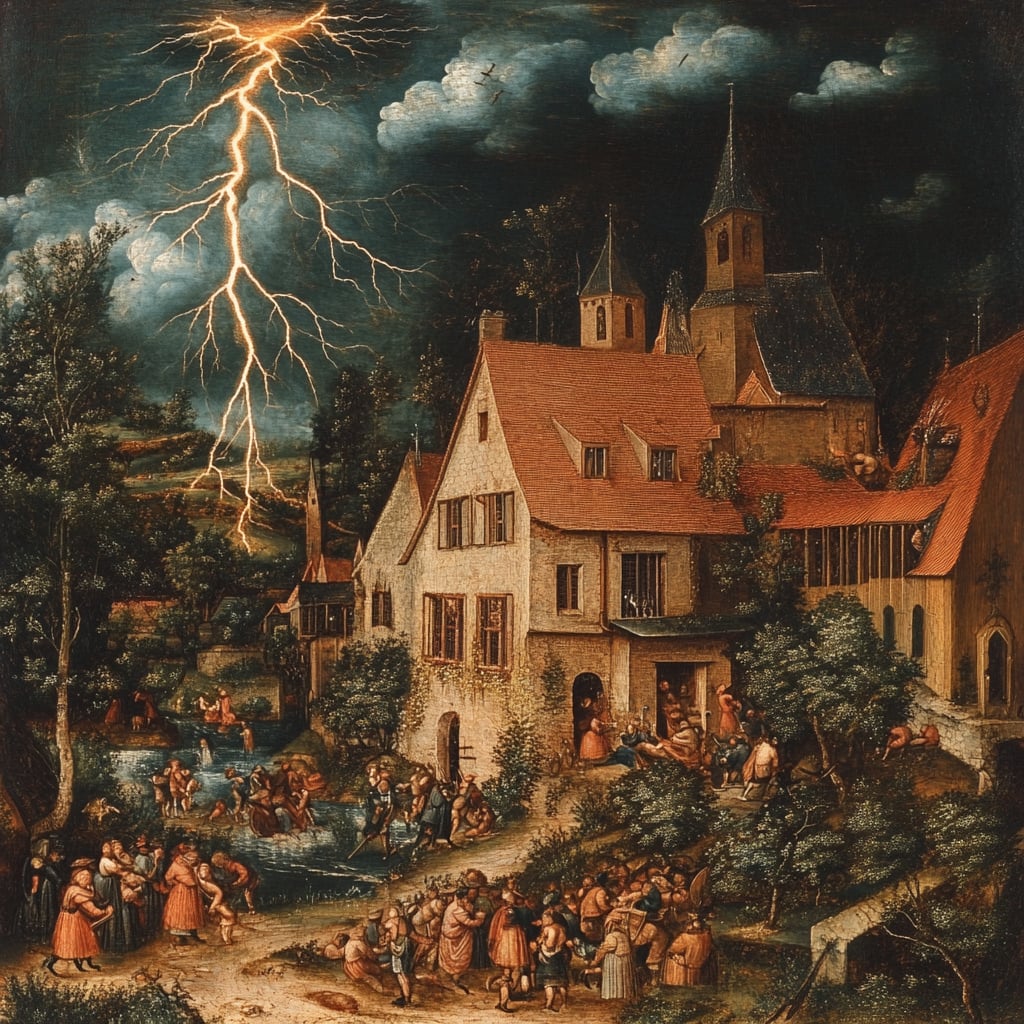
Manufacturing, often mistakenly reduced to mere production, is in fact a complex tapestry woven from ingenuity, need, and consequence; it represents humanity's relentless drive to shape raw materials into objects of utility and desire. Often dubbed "making," this activity extends beyond the factory floor, subtly influencing civilization's trajectory.
The earliest glimmer of manufacturing can be traced back to the dawn of civilization, to the artisan workshops of Mesopotamia (c. 3500-3000 BCE). Clay tablets unearthed from this era and studied by historians like Samuel Noah Kramer chronicle the specialized creation of pottery, tools, and textiles – a nascent division of labor showcasing the earliest examples of mass production. Plato and Aristotle, particularly in The Republic and Politics, examined the societal implications of manufacturing, considering the ethical dimensions of specialization and its impact on the individual. This intersection of craftsmanship and nascent industrial organization forms a critical juncture in understanding manufacturing's complex relationship with the evolution of human society, inviting questions about its compatibility with "the good life."
Over the centuries, manufacturing has undergone dramatic transformations, driven by groundbreaking innovations such as Johannes Gutenberg's printing press (1440), which revolutionized the mass production of information, and the Industrial Revolution (1760-1840), a period that gave rise to mechanized factories and unprecedented scales of production. Authors like Adam Smith in The Wealth of Nations (1776) grappled with the economic and social ramifications of these changes, while utopian socialists like Robert Owen explored alternative models of manufacturing that prioritized worker welfare. The intricate mechanics of time and motion studies, pioneered by Frederick Winslow Taylor in the late 19th century, introduced a scientific approach to optimizing efficiency but also sparked ethical debates about the dehumanization of labor. The rise of automation in the 20th and 21st centuries has only amplified these debates, with thinkers pondering the future of work and the potential for technological disruption in our economy.
Today, manufacturing continues to shape our world, influencing everything from global trade to technological innovation. It is increasingly intertwined with discussions of sustainability, ethical labor practices, and the integration of artificial intelligence. The enduring fascination with manufacturing stems not only from its profound impact on material progress but also from the questions it poses about humanity's role in a rapidly changing world: Can we harness the power of manufacturing to create a more equitable and sustainable future, or will we become mere cogs in a system of our own making?