Manup - Philosophical Concept | Alexandria
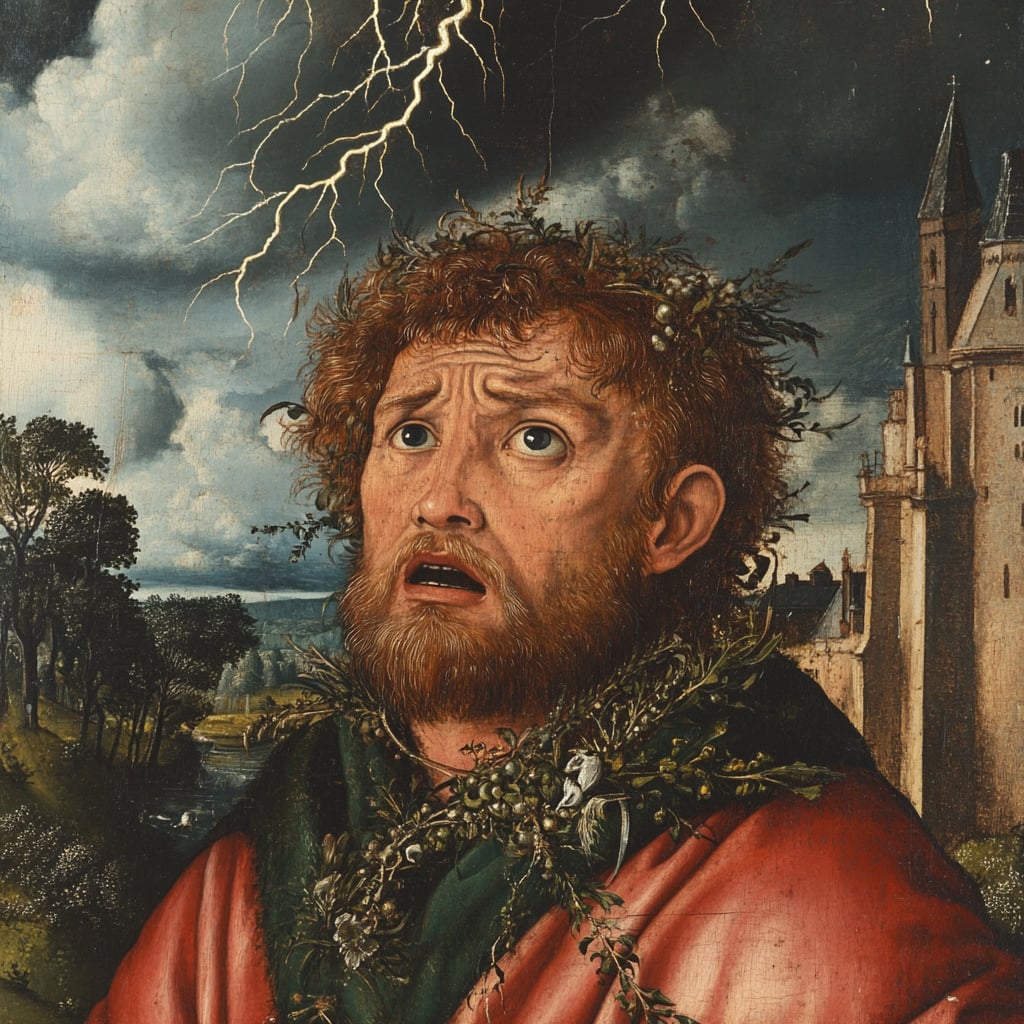
Manup, a figure shrouded in the mists of Melanesian mythology, represents the primordial ancestor, often depicted as a cultural hero responsible for bestowing essential skills and knowledge upon humanity. Manup's story is not a singular, fixed narrative, but rather a constellation of interconnected tales, varying across different islands and language groups, leading some to mistakenly interpret him as a simple trickster or folk tale character. References to Manup, though not always explicitly named within the same orthography, appear in early anthropological accounts from the late 19th and early 20th centuries, coinciding with intense colonial activity and missionary work in the region. Diaries and letters from figures such as Bronisław Malinowski allude to similar foundational figures, hinting at an established oral tradition predating Western documentation.
Interpretations of Manup's significance have shifted over time, moving from colonial-era dismissal of his mythology as pagan to a resurgence of interest in indigenous knowledge and reinterpretations celebrating his role as a symbol of resilience and cultural identity. Stories connect him to fire, agriculture, and social structures, suggesting a complex system of belief beyond simple hero veneration. Intriguingly, some narratives subtly link Manup to maritime traditions and navigation, a connection often overlooked, which raises questions about the extent of maritime exchanges and cultural diffusion in pre-colonial Melanesia.
Manup's legacy endures, particularly in contemporary Melanesian art, literature, and performance, where he is re-imagined as a potent symbol of self-determination and resistance against cultural homogenization. His stories are being actively reclaimed and redefined by indigenous artists and scholars, reflecting a growing awareness of the importance of preserving and celebrating ancestral knowledge. As we continue to explore the multifaceted figure of Manup, consider: do the diverse stories coalesce to form a single, unifying narrative, or do they deliberately reflect the rich diversity and autonomy of Melanesian cultures themselves?