Menippean Satire - Philosophical Concept | Alexandria
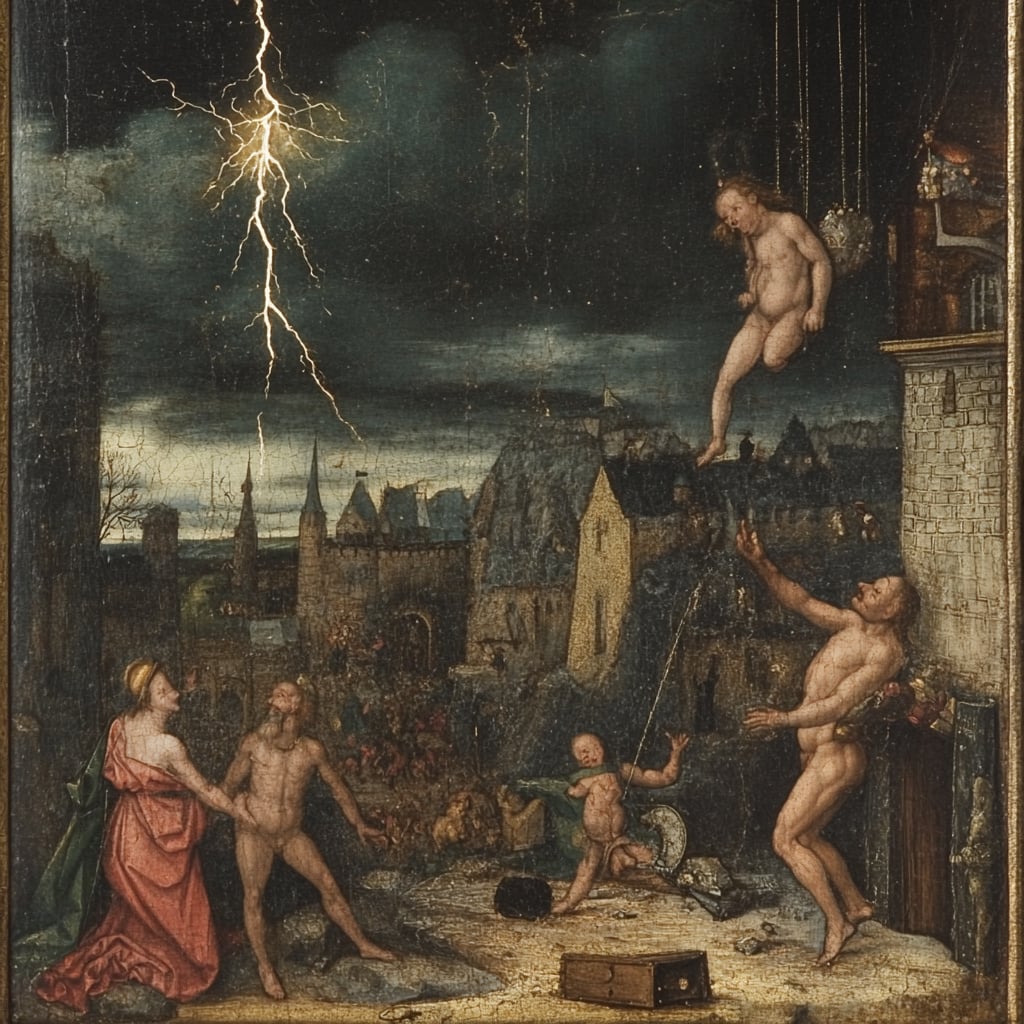
Menippean Satire, a protean and often perplexing form of satire, defies easy categorization. More than just humorous writing, it's a literary cocktail blending philosophical discourse, wild fantasy, and scathing social commentary. Often misunderstood or conflated with more straightforward satirical forms, Menippean Satire offers a unique lens through which to examine the follies of humanity – but is it merely humorous entertainment, or something altogether more profound?
The earliest recognized example stems from the works of Menippus of Gadara, a Cynic philosopher of the 3rd century BCE, though only fragments of his writings survive, primarily through later imitations. This places its origins squarely within the Hellenistic period, a time of philosophical ferment and the collision of cultures following Alexander the Great's conquests. This era of intellectual upheaval and cultural exchange laid fertile ground for a satirical form that could challenge established norms and question the very nature of knowledge.
Through the centuries, Menippean Satire resurfaced in various guises. Roman authors such as Varro and Seneca adapted and expanded the genre, infusing it with their own cultural and philosophical concerns. In English literature, writers like Jonathan Swift ("Gulliver's Travels") and Laurence Sterne ("Tristram Shandy") embraced its digressive style and intellectual playfulness. Each era has reinterpreted Menippean Satire, revealing its adaptability and its capacity to reflect the specific anxieties and preoccupations of different societies. What deeper understanding might await those who trace these varied manifestations of the form?
Menippean Satire continues to exert influence, subtly shaping contemporary literature, film, and even digital media. Its penchant for mixing genres, disrupting narrative conventions, and challenging intellectual orthodoxies finds echoes in postmodern works and experimental art forms. As we grapple with increasingly complex and fragmented realities, Menippean Satire's enduring appeal lies in its ability to expose the absurdity of human pretensions and provoke us to question the very foundations of our beliefs. Does this ancient form hold the key to navigating the complexities of our modern world, or is its continuing legacy merely a reflection of the timeless nature of human folly?