Perestroika - Philosophical Concept | Alexandria
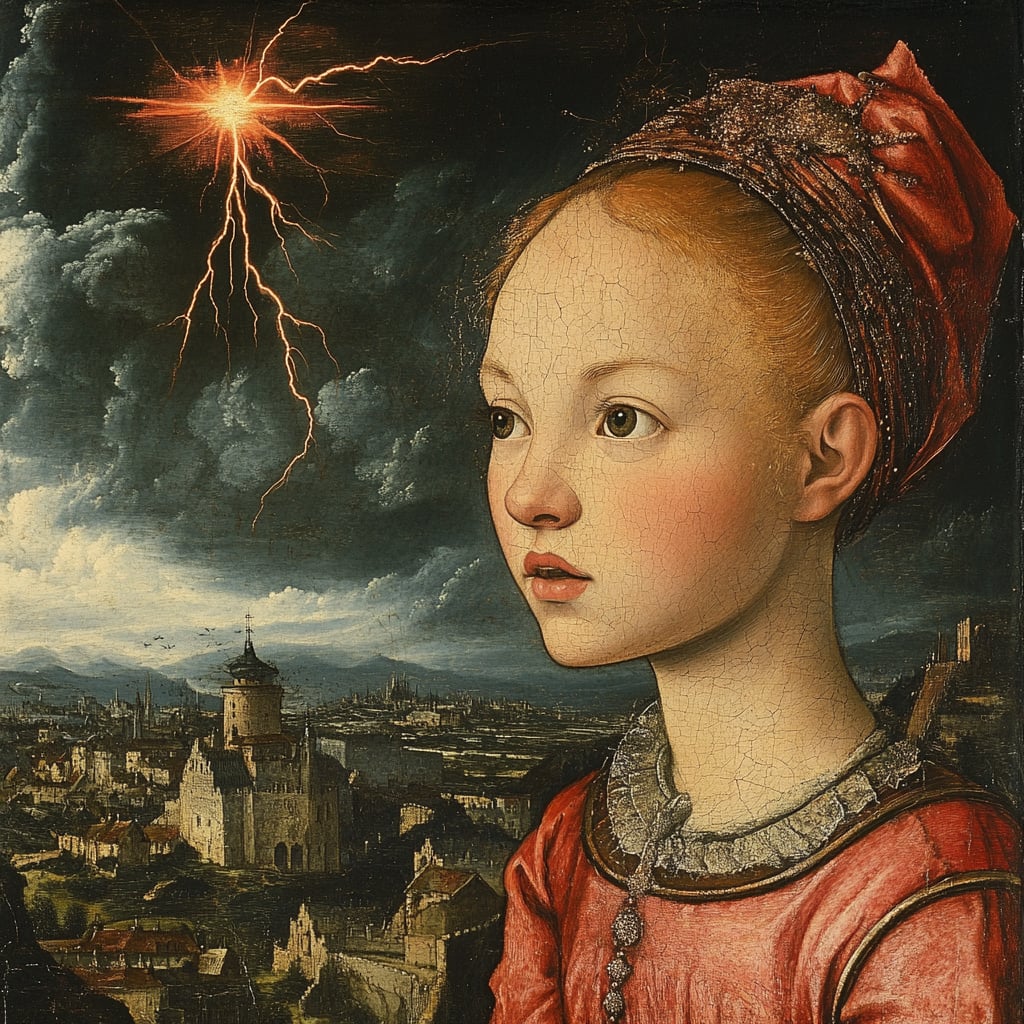
Perestroika, often shrouded in the mists of late 20th-century political rhetoric, represents far more than a mere restructuring. It encapsulates a transformative movement within the Soviet Union – a radical attempt to reform the rigidly centralized economic and political systems that defined Soviet Communism. Was it a genuine effort to revitalize a failing ideology, or a desperate gamble that inadvertently triggered its demise?
While the specific term gained prominence under Mikhail Gorbachev in the mid-1980s, the seeds of Perestroika were sown much earlier. Whispers of reform, of decentralization, can be traced back to debates following Stalin’s death in 1953. Nikita Khrushchev's de-Stalinization efforts, while limited, provided a precursory glimpse of potential systemic changes. However, these early iterations lacked the comprehensive vision – or perhaps the political will – of later reforms.
The Gorbachev era witnessed Perestroika blossom into a multi-faceted agenda. "Acceleration" (uskoreniye) of economic development, increased enterprise autonomy, and limited market mechanisms were introduced. Glasnost, the policy of openess, accompanied Perestroika and allowed a much freer exchange of ideas. Yet, the implementation was fraught with challenges. Bureaucratic inertia, entrenched interests, and an increasingly restive populace fueled a volatile mix. One can still debate whether the reforms were fundamentally flawed, inadequately implemented, or simply overwhelmed by the scale of the problems they sought to address. Did Perestroika empower the people or unleash forces that ultimately shattered the Soviet Union?
The legacy of Perestroika is indelibly etched onto the world map. The collapse of the Soviet Union, the rise of independent states, and the reshaping of geopolitical alliances all bear its mark. Even today, the term "Perestroika" resonates as a symbol of radical change, a reminder that even the most seemingly immutable systems are vulnerable to internal pressures. Was Perestroika ultimately a success or a failure? Perhaps the answer lies not in black-and-white judgements, but in the complex and often contradictory forces it unleashed, forces that continue to shape our world.