Political Representation - Philosophical Concept | Alexandria
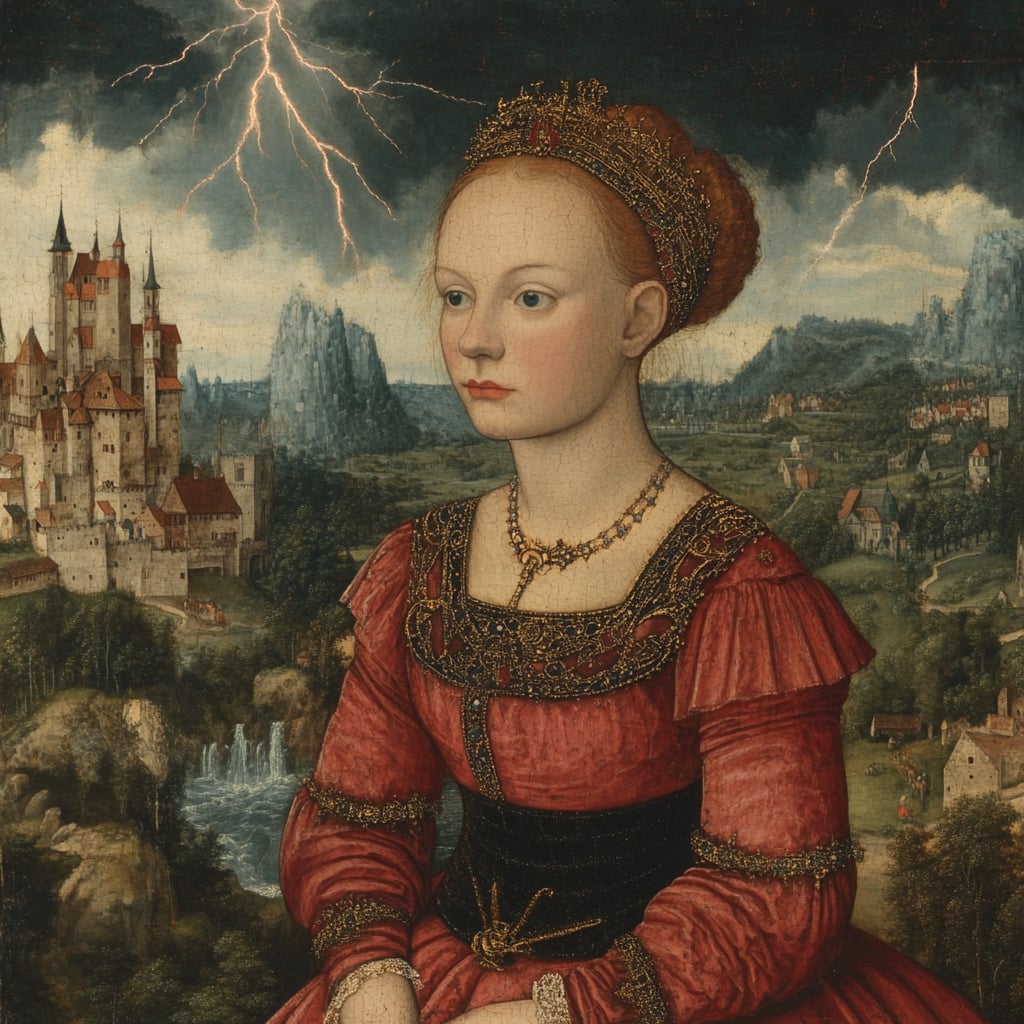
Political Representation: A specter haunting democracies, political representation dances at the heart of governance, a system wherein individuals or groups stand in for a larger body of constituents, supposedly echoing their voices and acting upon their interests. But how accurately does this echo resonate? Is it a mirror reflecting the collective will, or a distorted lens shaped by power, privilege, and persuasion? Often conflated with mere voting or direct democracy, the concept harbors complexities that challenge our understanding of self-governance.
The seeds of political representation can be traced back to ancient Athens, although not in its modern form. Evidence suggests nascent representative practices in the Roman Republic, where tribunes acted as protectors of the plebeians, their pronouncements shaping the political landscape. More concretely, the Magna Carta of 1215, a document wrested from King John of England, stipulated that a council of barons must consent to certain taxes, marking a pivotal, albeit limited, move towards representative governance. This era, riddled with feudal power struggles and nascent merchant ambitions, set the stage for the slow, often bloody, evolution of representation.
Over the centuries, the interpretation of political representation has undergone radical transformations. Figures like Edmund Burke, with his philosophy of trustee representation, clashed with proponents of delegate representation. The rise of nation-states and the burgeoning of liberal thought further molded its contours. The French Revolution, with its ideals of liberty, equality, and fraternity, ignited debates about who truly represents the nation. Consider also the curious case of "rotten boroughs" in 18th-century England, districts with minuscule populations yet parliamentary representation, a blatant illustration of the system's potential for manipulation and corruption. These historical anomalies fuel the ongoing quest to reconcile the ideal with the often-troubled reality.
Today, political representation continues to shape our world, influencing everything from climate policy to social justice movements. The symbolic power of elected officials, the rhetoric of populism, and the rise of digital activism demonstrate its evolving form. As we navigate an era of unprecedented information access and social fragmentation, the question of who truly speaks for whom remains fraught with ambiguity. Does representation truly empower, or does it merely legitimize existing power structures? Perhaps the most fascinating aspect is asking whether true representation is even possible.