Polygamy - Philosophical Concept | Alexandria
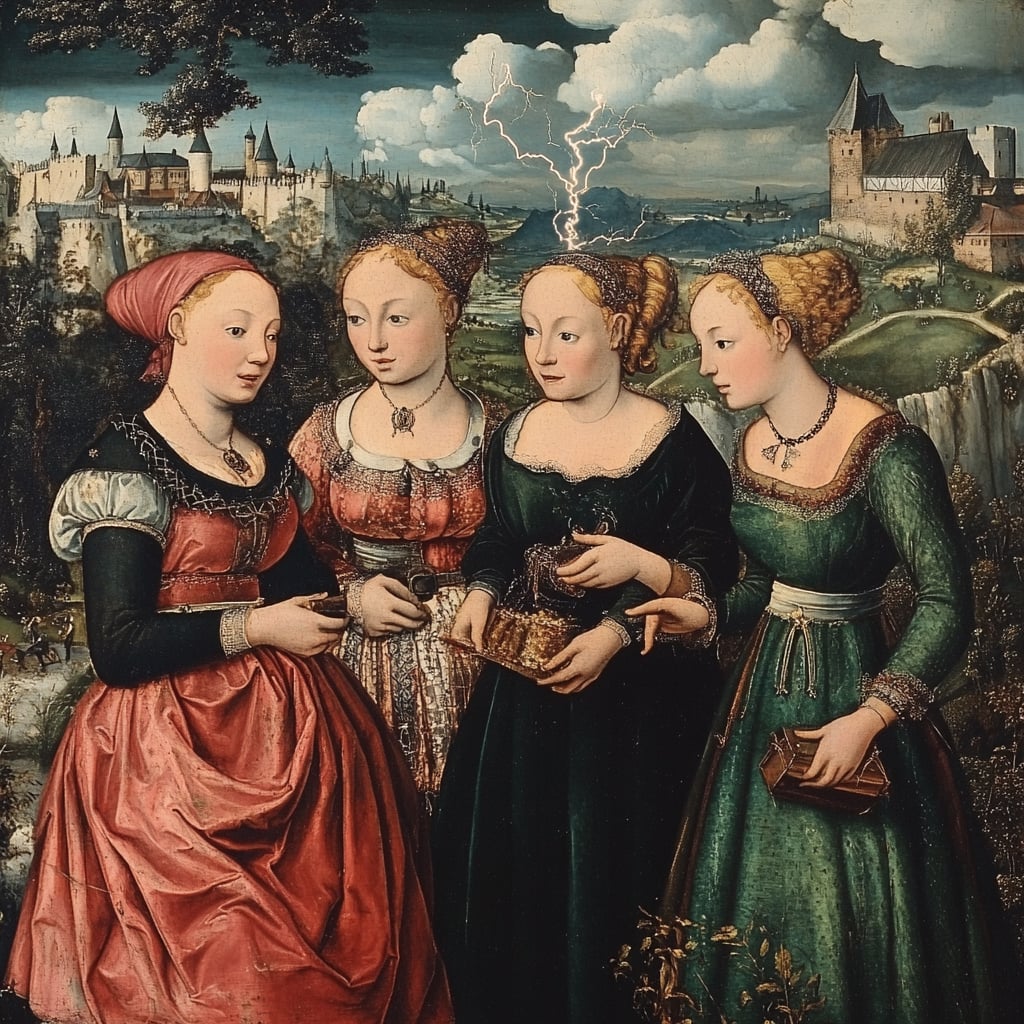
Polygamy, a term whispered with fascination and sometimes apprehension, denotes the practice of having more than one spouse at the same time, a concept that challenges conventional understandings of marriage and commitment. Often misunderstood and misrepresented, it exists as a complex tapestry woven from threads of history, culture, and personal conviction, inviting a deeper exploration of societal norms and the very definition of love and family.
The roots of polygamy stretch back into the mists of antiquity. Evidence of its practice appears in ancient texts and historical accounts across diverse cultures. The Hebrew Bible, for instance, features prominent figures such as King David and King Solomon who had multiple wives. While pinpointing an exact origin is elusive, historical records suggest that polygamy often arose in societies where it served practical purposes, such as increasing population, consolidating power, or providing for widows and orphans. It is no wonder that marriage and family structure has been long interwoven with ethics, with some of the earliest and most difficult moral dilemma arising from property considerations.
Over centuries, the interpretation and acceptance of polygamy have ebbed and flowed, profoundly shaped by religious doctrines, legal frameworks, and societal values. In the 19th century, the practice gained notoriety in the United States with the rise of the Mormon movement, leading to significant legal battles and social upheaval. The Book of Mormon touches on plural marriage, while figures like Joseph Smith faced intense scrutiny for their involvement. Today, polygamy continues to exist in various forms around the world, its legality and social acceptance varying widely from nation to nation. It sparks intense debate, raising questions about gender equality, individual autonomy, and the rights of children within polygamist families. Even now, questions such as objective morality, feminism, and the treatment of children are central to the argumentation surrounding polygamy and its ethics.
Polygamy's legacy is one of enduring intrigue, continuing to challenge our notions of love, commitment, and the very structure of society. From its ancient roots to its contemporary manifestations, the practice serves as a mirror reflecting our ever-evolving values and beliefs. As we grapple with questions of individual freedom, social justice, and the changing nature of relationships, the study of polygamy offers a compelling lens through which to examine the complexities of the human heart and the diverse ways in which we choose to build our lives together. Is the traditional understanding of marriage the only path to happiness and fulfillment, or are there alternative models that deserve our understanding and respect? In a world increasingly open to diverse expressions of love and family, the dialogue surrounding polygamy remains as relevant and thought-provoking as ever.