The Louvre - Philosophical Concept | Alexandria
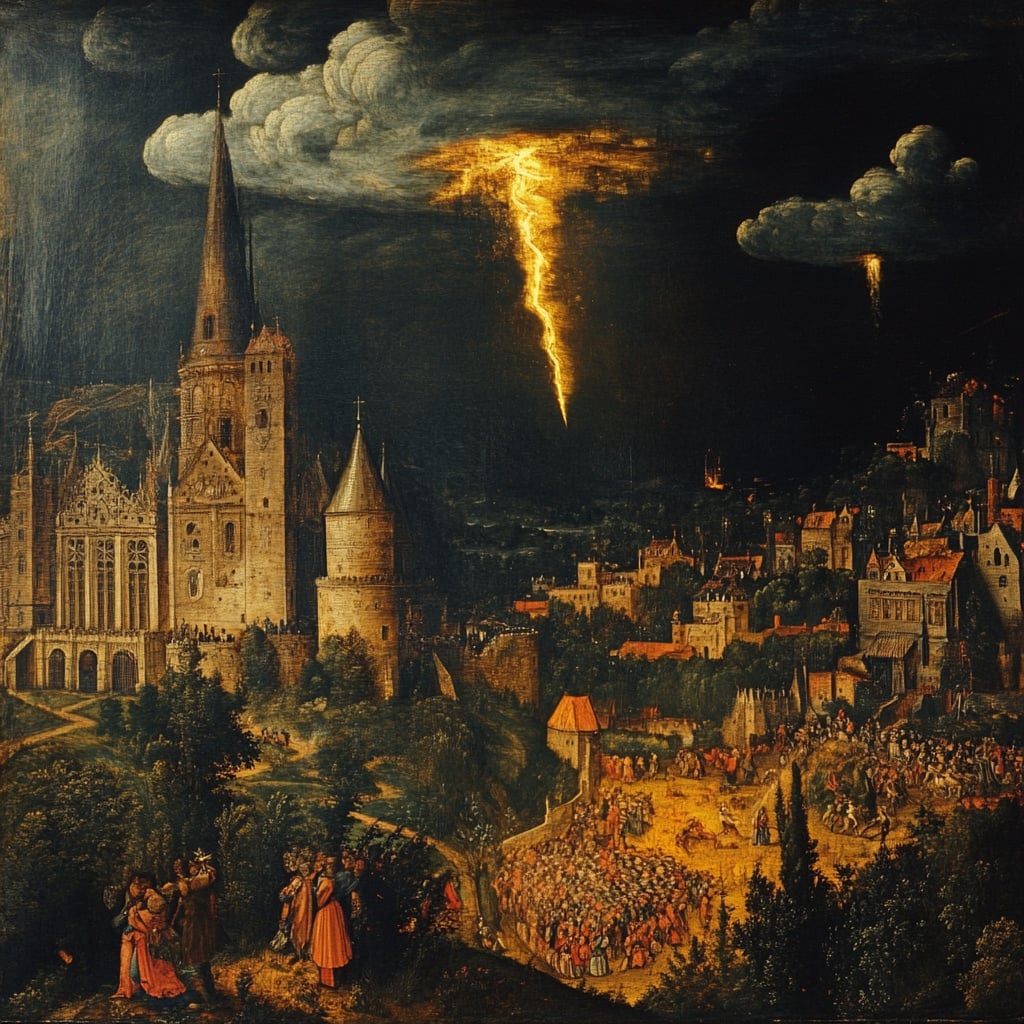
The Louvre, as it relates to Renaissance Literature, is not simply a museum housing artworks of the period, but a complex emblem of the era's evolving identity, ambition, and ideals. Originally constructed as a fortress under Philippe Auguste in the late 12th century, its transformation into a royal residence during the Renaissance reflects a dramatic shift in European power dynamics and artistic sensibilities. This metamorphosis, documented in royal decrees and architectural plans, positions the Louvre as a silent witness to the burgeoning humanism that defined the era.
Its significance began to solidify during the reign of Francois I in the 16th century, which is meticulously recorded in period chronicles and courtly correspondence. This monarch, a fervent admirer of Italian Renaissance art, initiated the Louvre's conversion into a grand palace, importing masterpieces and fostering a creative environment deeply intertwined with literary circles. It became a focal point of cultural exchange. Was the Louvre merely a backdrop for royal life, or did its very stones inspire the writers and thinkers whose works shaped the Renaissance's intellectual landscape?
The Louvre, as a physical manifestation of Renaissance ideals, fueled the burgeoning literary movements of the time. Its opulent halls and galleries, filled with classical sculptures and paintings, became settings for literary inspiration and artistic criticism. The works of Rabelais, Ronsard, and other writers are filled with imagery that echo what can be seen in the Louvre's collection. Could the Louvre be seen as a three-dimensional representation of the Renaissance's literary landscape, a physical symbol of its ambition and vision?
Today, the Louvre stands as a testament to the enduring legacy of the Renaissance, both a repository of artistic treasures and a symbol of the cultural forces that shaped the modern world. Contemporary artists and writers continue to draw inspiration from its collections and history, reinterpreting its stories through the lens of modern societal themes. What secrets still lie hidden within its walls, waiting to ignite the imagination of future generations and shed new light on the complexities of the Renaissance?