Μίμησις (Mīmēsis) - Philosophical Concept | Alexandria
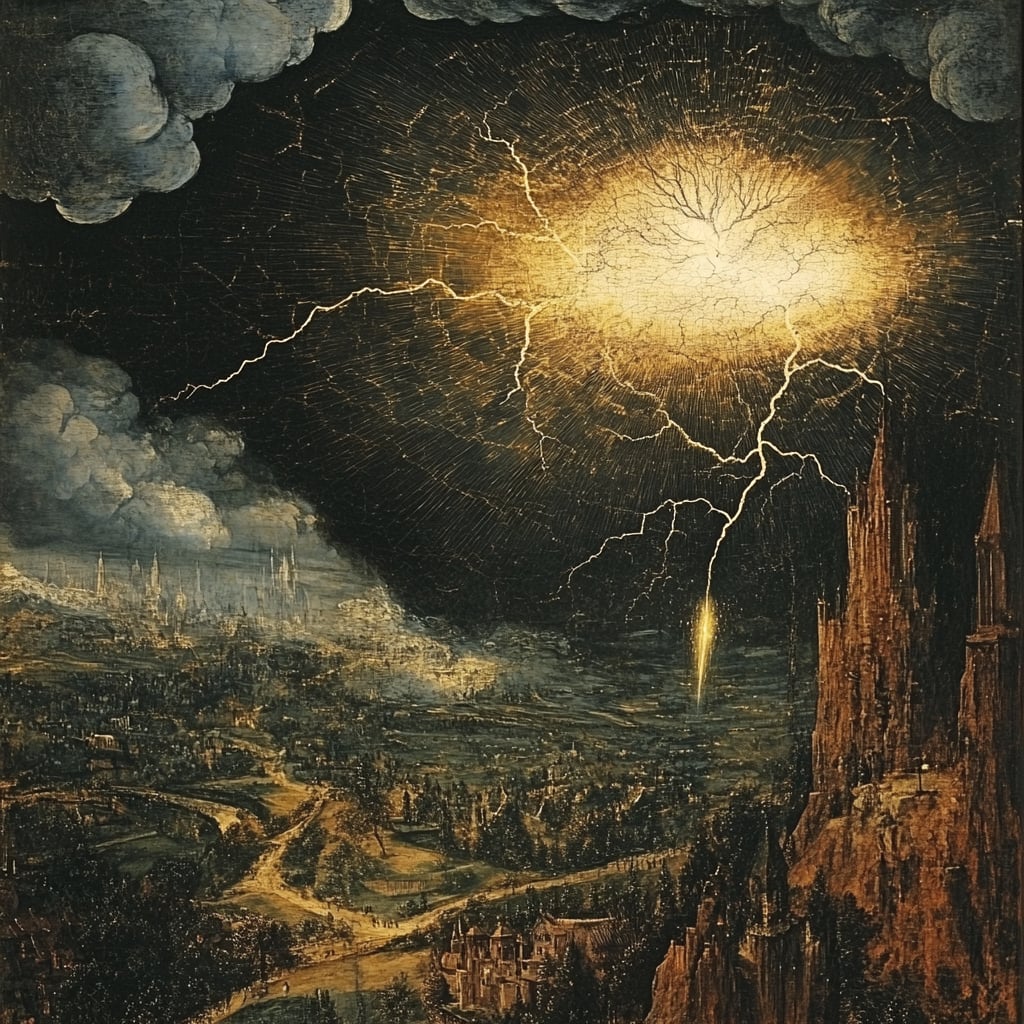
Mimesis: A concept shimmering between representation and reality, mimesis, at its heart, is the imitation or representation of the world in art and literature. But is it mere copying, or something more profound? The term, often translated as "imitation," harbors nuances that invite a deeper consideration of art's fundamental relationship to lived experience.
The earliest sustained exploration of mimesis emerges from classical Greece. Plato, in The Republic (c. 380 BC), viewed mimesis with suspicion, believing that art merely reflected a reflection of reality, leading audiences further from truth itself. Contrastingly, Aristotle, Plato's student, offered a more nuanced understanding in Poetics (c. 335 BC). He argued that mimesis is natural to humans and allows for learning and catharsis. Amidst the philosophical ferment of ancient Athens, grappling with democracy and the rise of rhetoric, questions around truth, representation, and the power of illusion took centre stage, shaping the very foundations of Western thought. Exploring these foundational texts reveals not just philosophical positions, but the birth of critical inquiry.
Over centuries, interpretations of mimesis have shifted, influenced by cultural and artistic movements. From Renaissance artists striving for realistic depiction to modernist experiments challenging mimetic conventions, the concept has been both embraced and rejected. Erich Auerbach's Mimesis: The Representation of Reality in Western Literature (1946) offers a monumental study of how Western writers have depicted reality across diverse historical contexts, demonstrating the evolving relationship between literature and lived experience. But can any representation truly capture the fullness of reality, or will there always be a gap, a distortion?
Mimesis continues to resonate in contemporary art and theory, informing discussions about authenticity, simulation, and the blurring lines between the real and the virtual. Think of deepfakes, hyperrealist paintings, or even the constructed realities of social media – all grapple with the legacy of mimesis. Is art a mirror reflecting the world, or a lens distorting it? The enduring mystique of mimesis lies in its power to provoke such fundamental questions about art, truth, and the nature of perception.