Annabel Lee - Classic Text | Alexandria
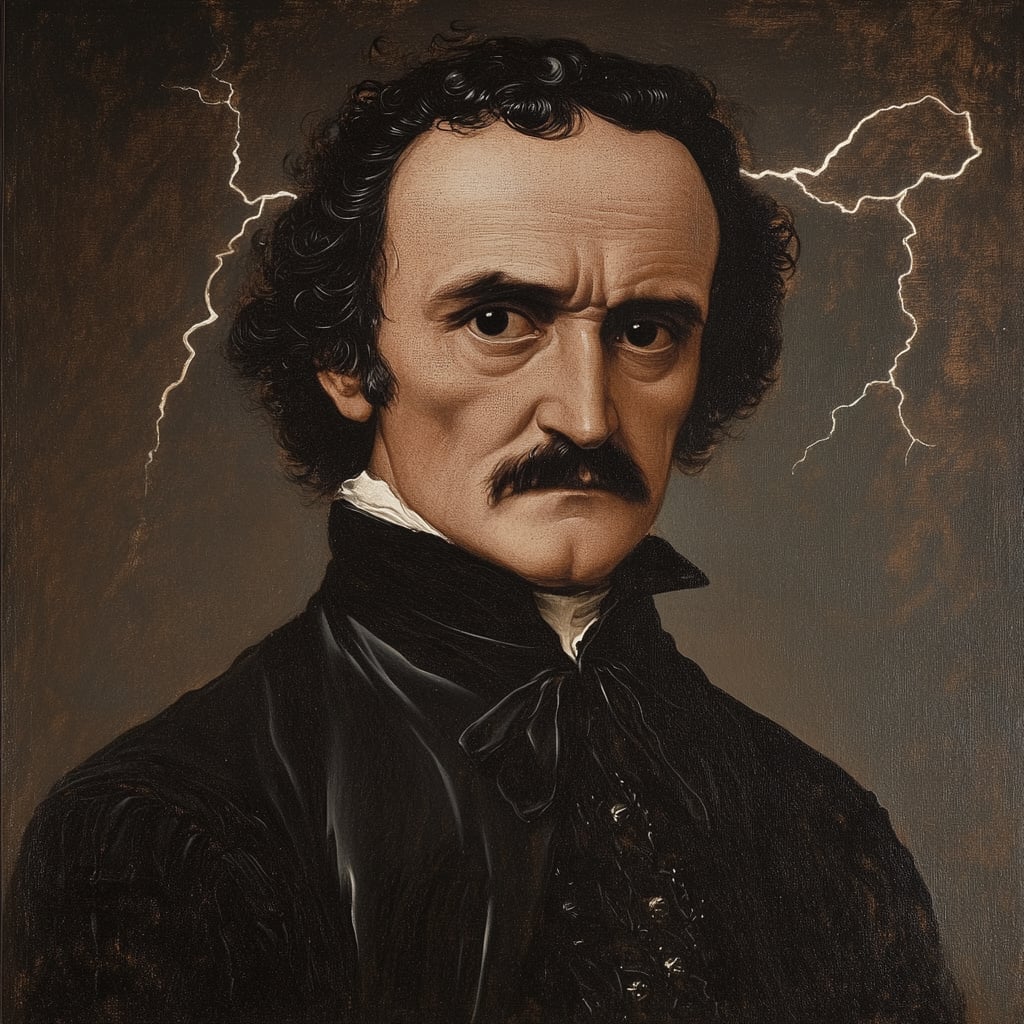
Annabel Lee, a hauntingly lyrical poem by Edgar Allan Poe, is more than just a tale of lost love; it is an exploration of grief, memory, and the ethereal beauty of idealized innocence. Published posthumously in 1849, it presents a narrator consumed by the death of his young bride, Annabel Lee, and his unwavering belief that their love was so profound that even angels envied it. Could this be a simple lament, or does it point to deeper autobiographical elements within Poe’s life?
The poem's true genesis remains shrouded, though many speculate a connection to women in Poe's life who died young, including his mother Eliza Poe and his wife Virginia Clemm Poe. Some scholars suggest the poem draws inspiration from ancient ballads concerning lost loves and idealized women, reflecting a romantic tradition that dates back centuries. Did Poe consciously echo these earlier works, or did the universality of loss naturally align his poem with such enduring themes of romantic tragedy?
Over time, "Annabel Lee" has been reinterpreted through various lenses—from a straightforward elegy to a psychological study of obsession and delusion. Literary critics and artists, influenced by evolving social mores, have examined the romanticization of female purity and the potential for morbid fixation within the poem. Its influence extends beyond literature; it is often referenced in music, film, and visual arts, each adaptation injecting new layers of meaning and emotion into Poe's original vision. What do these varying interpretations of "Annabel Lee" say about our own complex relationship with love, death, and memory?
"Annabel Lee" persists as a touchstone in popular culture, continuing to inspire artists and resonate with anyone who has experienced profound loss. Its enduring mystique lies perhaps in its fusion of exquisite beauty and profound sadness, beckoning us to unravel the enigma of its genesis, to question the nature of its idealized love, and to confront the haunting depths of human grief. Is it truly about loss, or does it reveal something far more unsettling about the human condition?