How to Be Free - Classic Text | Alexandria
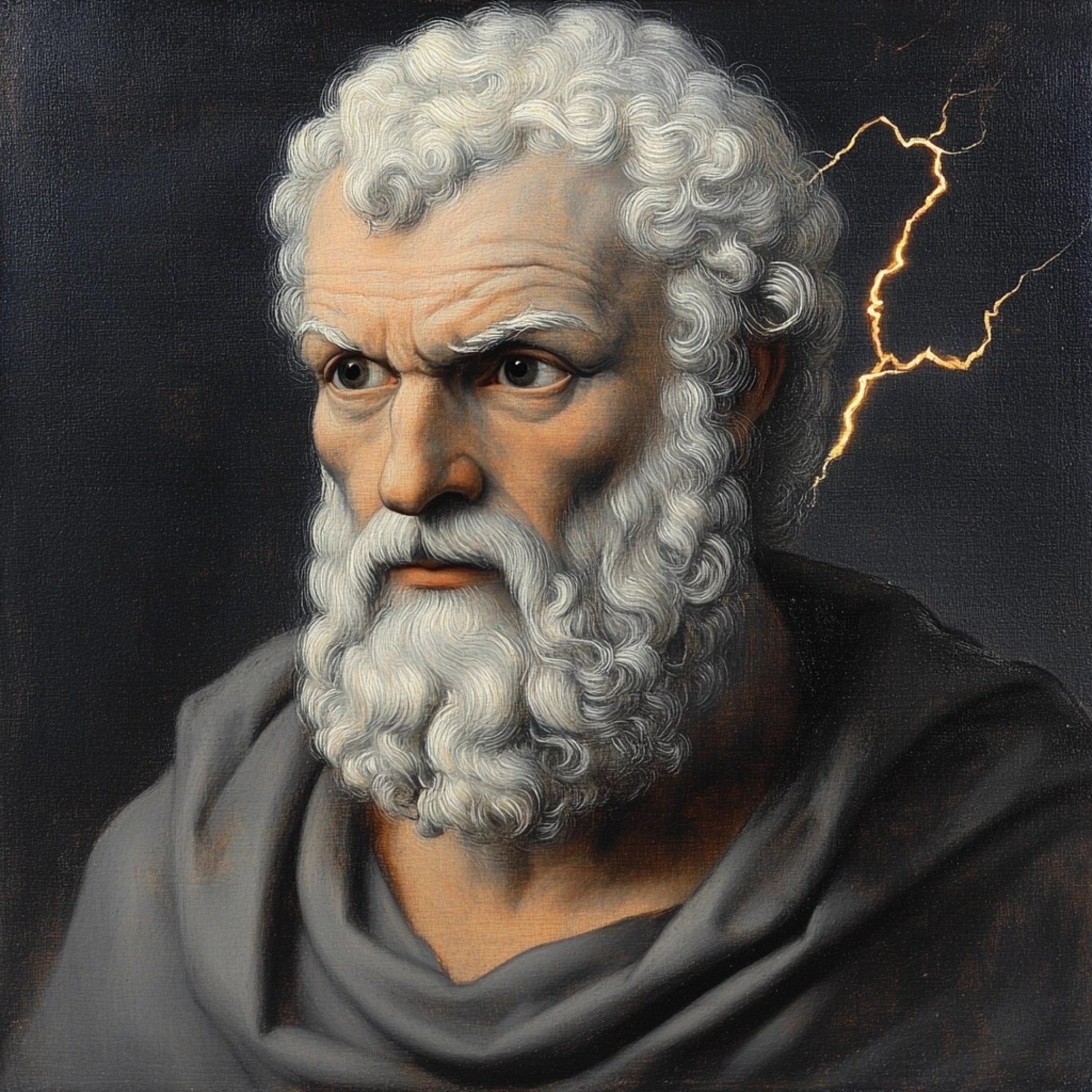
How to Be Free by Epictetus, at its core, is a practical guide to achieving inner liberty – a freedom paradoxically found not in controlling the world around us, but in mastering our own perceptions and reactions to it. Often mistaken for a simple self-help manual, its wisdom goes far deeper, revealing a profound philosophy for navigating the complexities of life.
The teachings within can be traced to the late first and early second centuries AD, primarily through the Enchiridion and Discourses, compiled by Epictetus’ student, Arrian. These writings offer a glimpse into the Stoic philosophy Epictetus espoused while teaching in Nicopolis, Greece. The era was marked by the Pax Romana, a period of relative peace and prosperity under Roman rule, yet also one rife with political intrigue and simmering social anxieties. It makes one wonder: What spurred Epictetus to emphasize personal freedom in an time seemingly lacking overt oppression?
Over the centuries, How to Be Free has resonated with figures across diverse intellectual and cultural landscapes. From Marcus Aurelius, who incorporated Stoic principles into his personal meditations, to Renaissance humanists seeking a philosophy independent of religious dogma, Epictetus’ framework has been reinterpreted and reapplied. Fascinatingly, the emphasis on personal responsibility found within also informed certain strands of modern cognitive behavioral therapy. Is it merely coincidence, or does How to Be Free contain timeless insights into the human condition, only now being "rediscovered" through modern science?
The legacy of How to Be Free extends into the 21st century, finding renewed relevance in a world grappling with unprecedented levels of uncertainty and external pressure. The book's enduring appeal lies in its emphasis on what we can control – our thoughts and actions – rather than what we cannot. But does focusing solely on inner control risk ignoring the very real external factors that shape our lives? Perhaps the persistent mystique of How to Be Free lies in its invitation to continually grapple with this very question – to explore the true meaning of freedom in an ever-changing world.