Walden - Classic Text | Alexandria
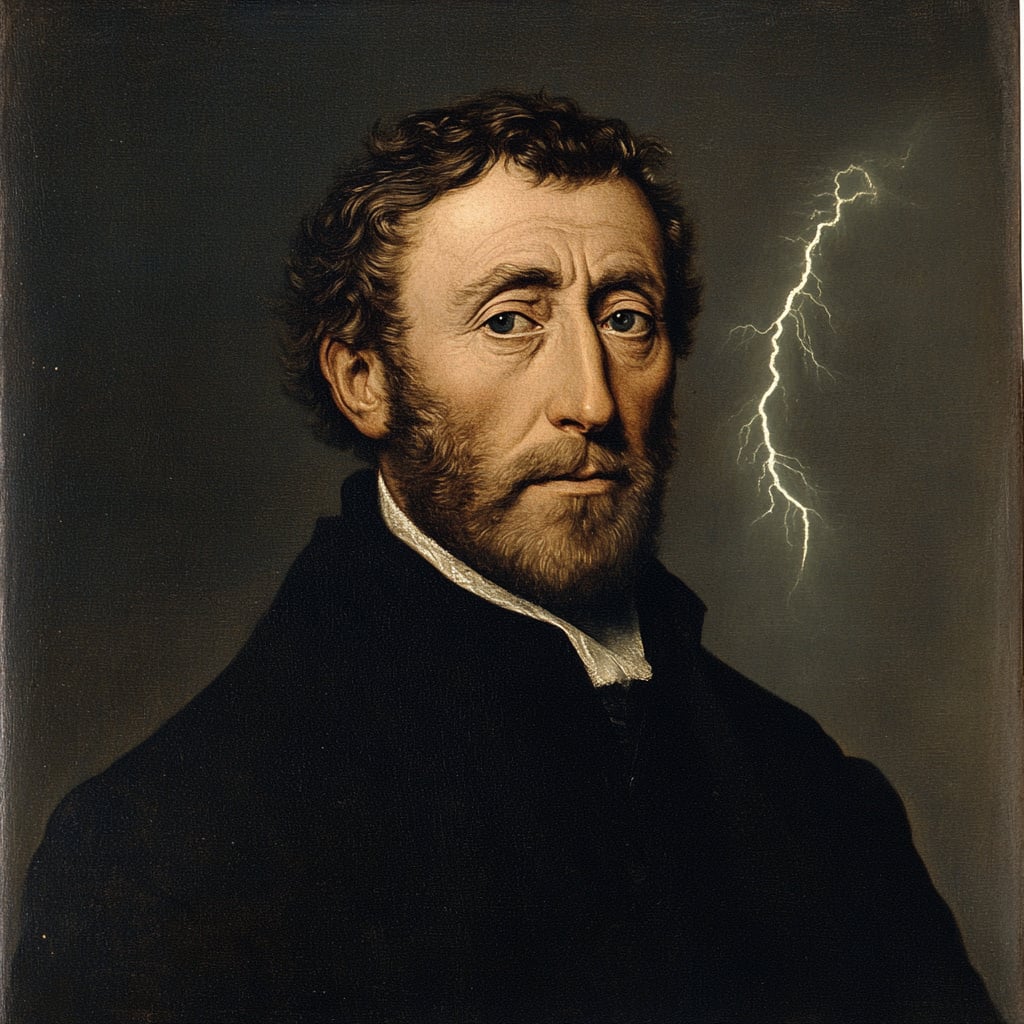
Walden, or, Life in the Woods, is the literary embodiment of Henry David Thoreau's experiment in simple living, a text that seems at once a practical guide and a profound meditation on self-sufficiency. Published in 1854, it chronicles Thoreau's two years, two months, and two days spent in a self-built cabin near Walden Pond in Concord, Massachusetts. But is it truly a faithful record of rustic solitude, or a carefully crafted philosophical statement disguised as a memoir?
The genesis of Walden can be traced to Thoreau’s actual residency at Walden Pond, beginning in July 1845. Letters and journal entries from this period reveal his evolving thoughts on nature, society, and the individual’s place within the cosmos. This experiment coincided with a ferment of social change and intellectual debate in antebellum America, from abolitionism to Transcendentalism, movements that subtly color Thoreau's narrative, suggesting a wider critique of societal norms woven into the quiet observations of pond life.
Over time, Walden has been variously interpreted as a manual for escaping consumerism, a call to civil disobedience, and a foundational text of the environmental movement. Figures from Mahatma Gandhi to John Muir have drawn inspiration from its pages, yet the book’s reception has not been without its detractors, who have questioned the authenticity of Thoreau’s supposed isolation and the practicality of his lifestyle. Did Thoreau truly sever himself from society, as his narrative implies, or was his retreat a more nuanced engagement with the world he sought to critique? Anecdotes about his frequent visits to his family in Concord and the meals his mother sometimes provided underscore the complexity of the narrative, inviting a deeper examination of the myth versus the reality.
Walden remains a touchstone in discussions of sustainability, individuality, and our relationship with the natural world. Its continuing relevance is evident in contemporary movements advocating for simple living and environmental awareness. However, the modern appropriation of Walden also raises questions about authenticity and privilege. In a world dramatically different from Thoreau's, how do we reconcile the ideals of self-sufficiency with the inescapable realities of interconnectedness and global challenges?